
Facebook Marketplace scams: How to spot them and stay safe
Selling on Facebook Marketplace is a fantastic way to clear out clutter and make extra money. It is fast, local, and incredibly easy to use. But that same convenience attracts a steady stream of scammers who know exactly how to sound convincing.
If you sell regularly, you will likely run into at least one of these bad actors. The good news is that most scams follow predictable patterns. Once you know what to watch for, they become much easier to spot.
This guide covers the most common scams sellers face, the red flags that show up in buyer messages, and the safest ways to get paid. If you are new to the platform, you might want to start with our How to sell on Facebook Marketplace: a complete beginner’s guide for a full overview of how it all works.
The most common scams sellers face
Zelle and payment app scams
This is everywhere right now. A buyer says they want to pay right away using Zelle, Venmo, or Cash App. That alone is not always a scam, but the trap springs when they send you a fake email or screenshot. It might look real, complete with a logo and your name, but no money actually hits your account. They are betting you will hand over the item before you verify the deposit.
In another version, the buyer claims you need to “upgrade” your account to a business account to receive the funds. They say you will get an email with instructions. That email is totally fake, and clicking the link hands over your login credentials.
👉 Rule: Never trust screenshots. Do not hand over the item until the payment is fully received and confirmed in your own bank app.
Fake shipping labels
This scam targets sellers willing to ship. A buyer says they are out of town and will email you a prepaid shipping label. The label prints fine, and you drop off the package. Later, the label is flagged as fraudulent, the package is seized or rerouted, and you lose both the item and any payment they sent.
👉 Rule: If you are shipping, always buy your own labels through trusted platforms or carriers.
👉 Tip: Learn more about how to ship on Facebook Marketplace from Eric aka The College Picker 💪
The overpayment scam
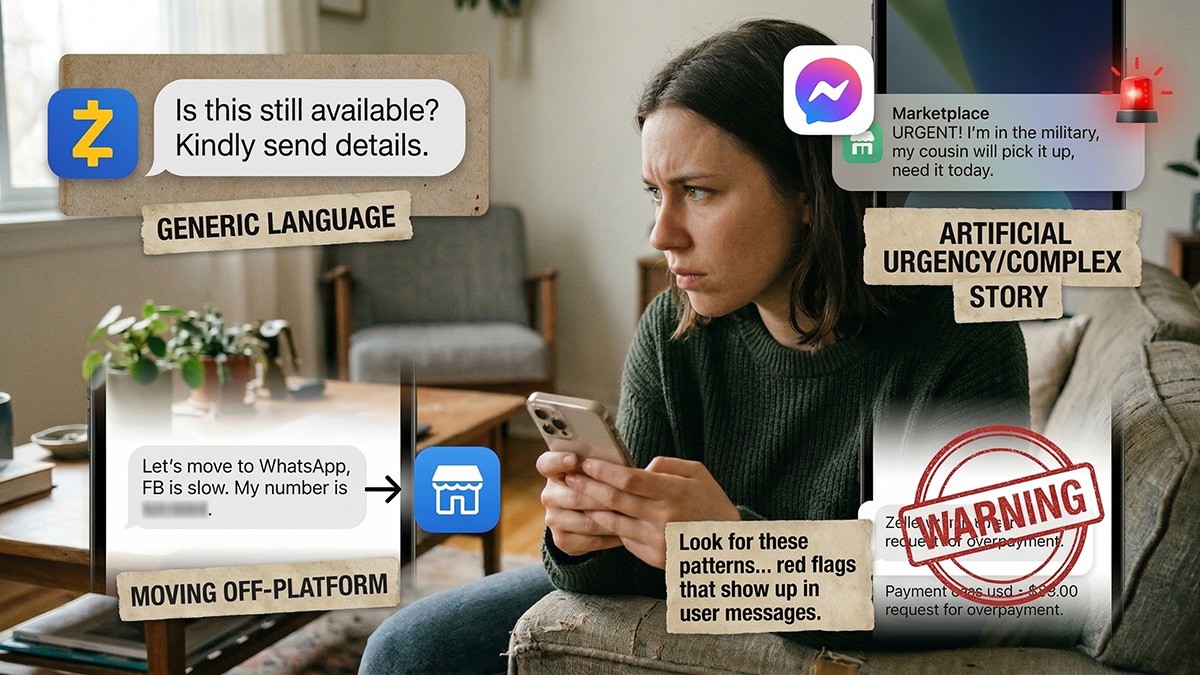
A buyer “accidentally” sends too much money and asks you to refund the extra amount. The original payment eventually turns out to be fake or stolen. When the bank reverses it, you lose whatever money you sent back.
Nobody accidentally overpays on Marketplace. If the amount is wrong, cancel the deal entirely.
The “Google Voice verification” scam
A scammer says they want to prove you are a real person before meeting up. They ask you to send them a six digit code you just received by text. If you share that code, they use it to create a Google Voice number linked to your phone, which they then use to scam other people.
👉 Rule: Never share verification codes with buyers. Treat any unexpected code like a password.
Red flags to look for in buyer messages
Scammers often reveal themselves in the first few messages. Watch for these warning signs.
They want to move off Marketplace. If they immediately say “Can you text me?” or “Let’s talk on WhatsApp,” they are trying to get you outside of Facebook's reporting system. Real buyers do not need a different channel.
They use generic language. Messages like “Kindly send your Zelle email” or “I am buying for my son” should put you on alert.
They ignore the details. If your listing clearly says cash only and they immediately push app payments, they are likely running a script.
Their story is overly complicated. They might claim they are in the military, sending a moving company, or out of town. The more confusing the transaction becomes, the easier it is to pressure you.
Watch this video to learn more about what marketplace scams you NEED to Avoid!
Safe payment methods for local and shipped sales
The safest payment method depends entirely on how you deliver the item.
For local pickup
Cash is still one of the safest options for in person sales. You see it, you count it, and it is done.
If you accept digital payments like Venmo or Zelle in person, confirm the money hit your account before you hand anything over. Open the app and check your balance yourself.
For shipped items
If you plan to ship, use payment methods with real seller protection. Facebook's built in checkout is a solid option. PayPal Goods and Services offers protection if you follow their rules, like shipping to the confirmed address and using tracking. Avoid using apps like Cash App or Venmo for shipped sales with strangers.
Make sure your item is priced correctly before you even list it. Underpriced items attract a flood of shady messages. Our The ultimate guide to pricing used items online is a great resource for setting a competitive price that does not invite chaos.
What to do if you have been scammed
Even careful sellers can get caught off guard. If something goes wrong, act quickly.
Stop communicating. Do not argue or send more information. Cut off contact immediately.
Document everything. Save screenshots of buyer messages, payment emails, and the buyer's profile.
Report the buyer on Facebook. This helps get fraudulent accounts removed from the platform.
Contact your bank or payment app. Explain exactly what happened and ask if the account can be secured or the transaction reversed.
File a report. Go to ReportFraud.ftc.gov to create an official record. For local scams involving physical items, contact your local police.
How better selling habits reduce scam risk
A lot of scams succeed because sellers feel rushed or underprepared. A cleaner selling process makes you much harder to target.
A listing with weak photos or a vague description puts you in a weaker position when a buyer tries to pressure you. Hero Stuff helps you list smarter. By using tools that help you craft accurate listings, you go into every sale with confidence. Writing a great description is one of your best filters for attracting serious buyers. You can learn how to do this in our guide on How to write a perfect used product listing in seconds.
Clean, well lit images also make a huge difference. Check out The ultimate guide to product photography: How to shoot photos that sell to see what actually moves the needle. If you are selling tech, use The ultimate checklist for selling used electronics: Maximize profit & speed to ensure you are fully protected.
Finally, if you are serious about growing your reselling game, joining a community of like minded thrifters and resellers can keep you sharp.
Happy flipping and be safe out there ✌️
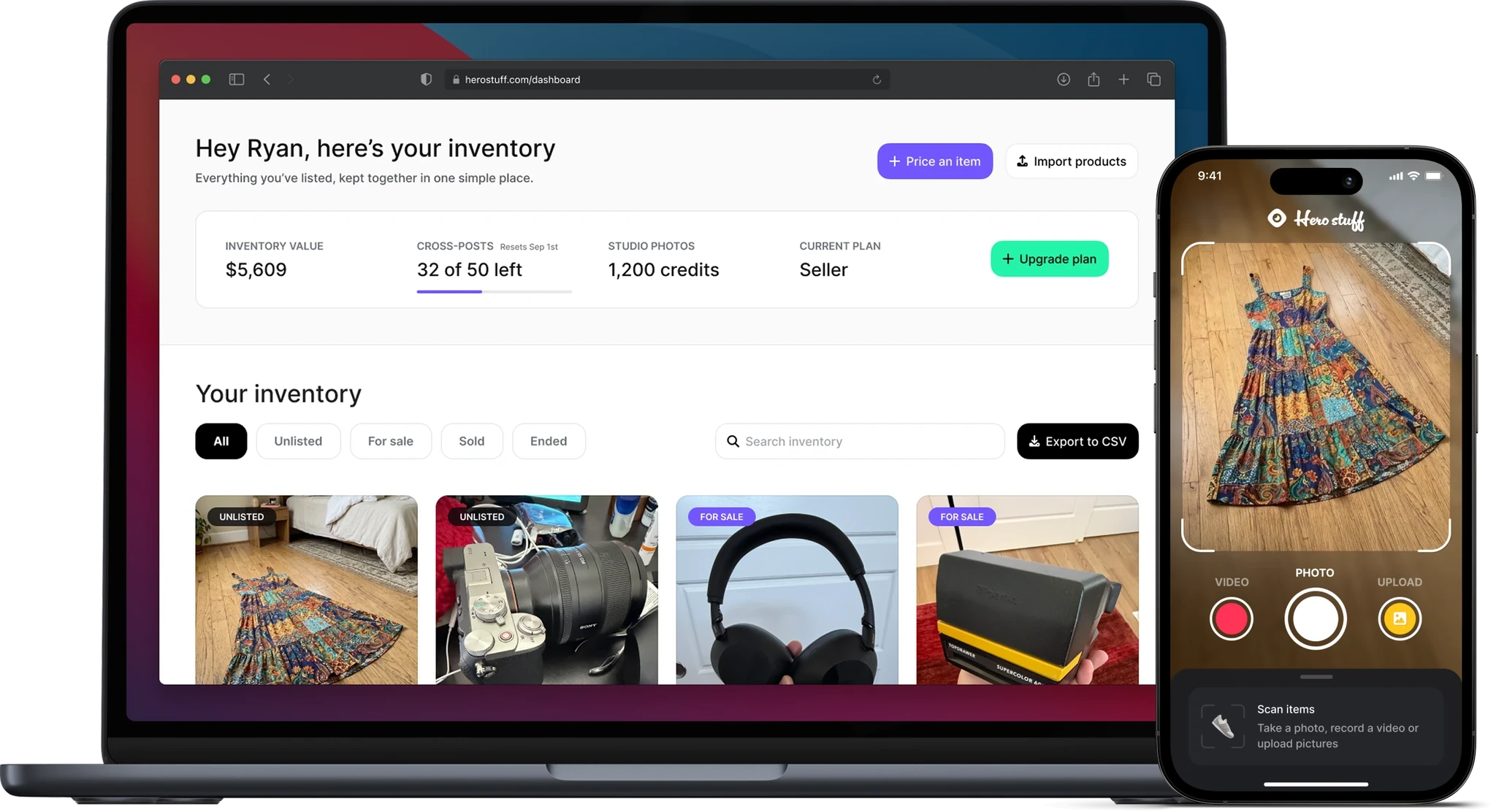
How to Import Shopify or WooCommerce Products to eBay and Facebook Marketplace
How to Import Shopify Products to eBay with Hero
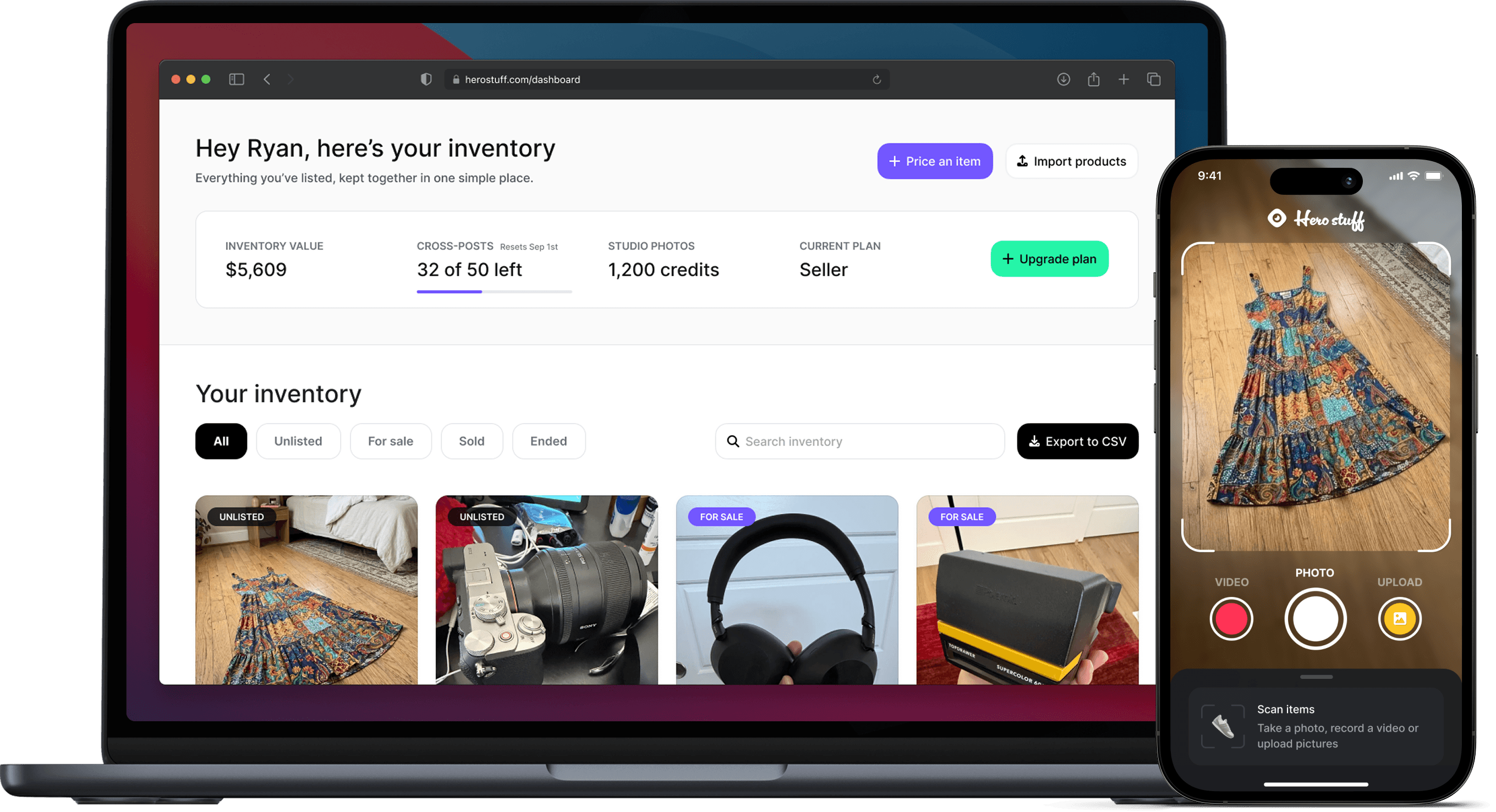
Hero now does bulk: connect Shopify, import your catalog, list everything

Hero is now available globally 🇩🇪 🇪🇬 🇮🇳
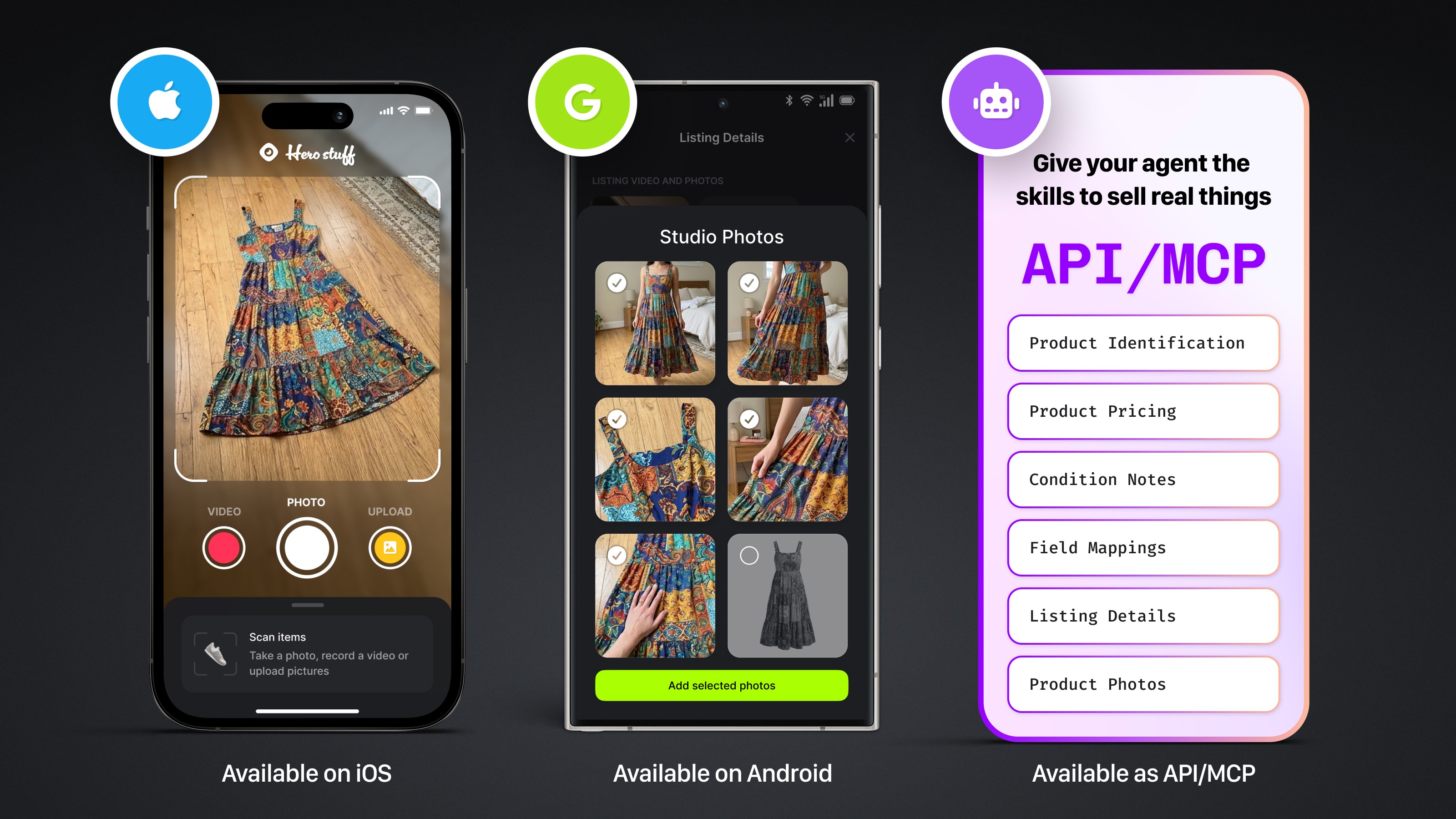
Four new ways to sell with Hero
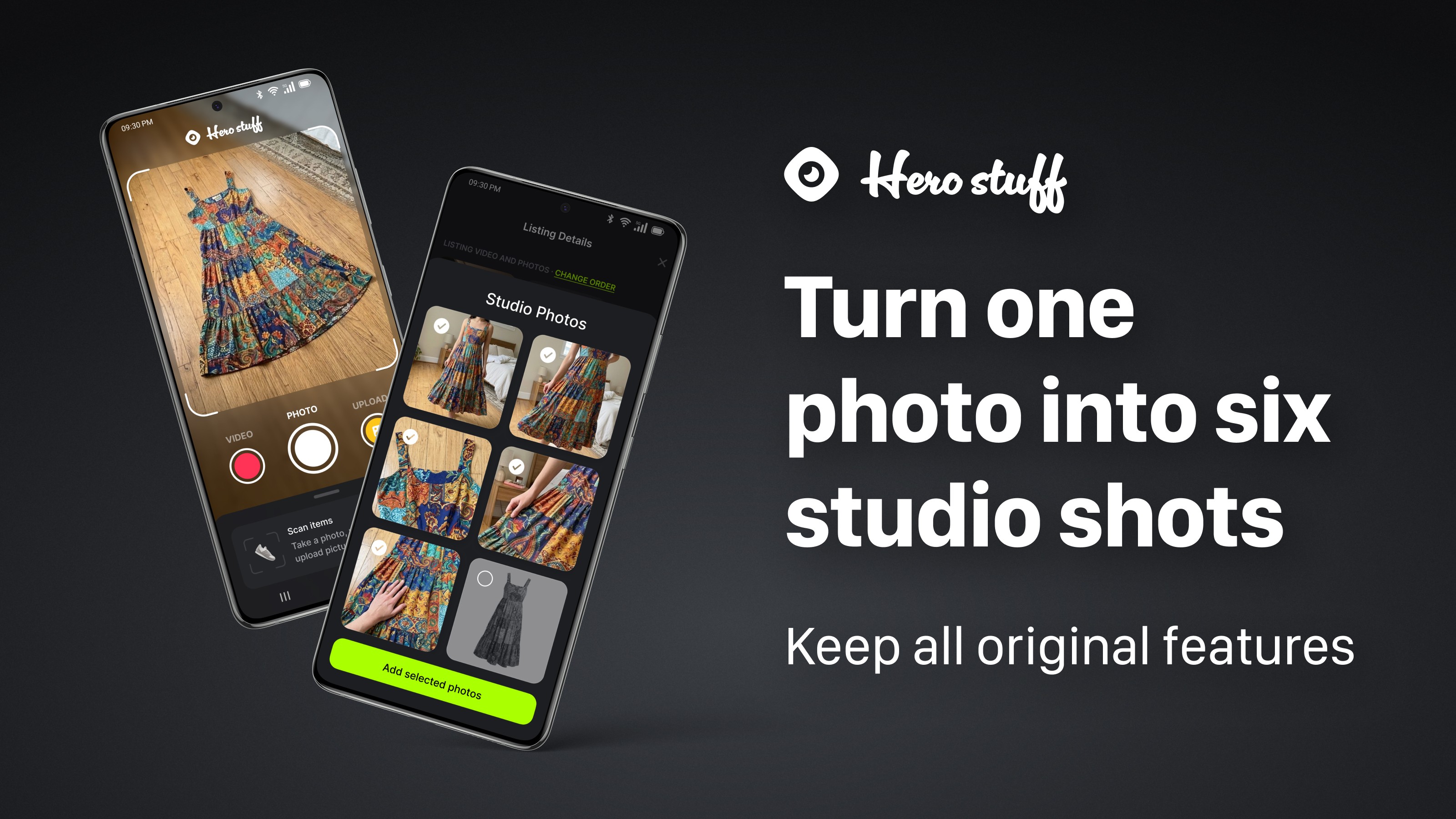
Introducing Studio Photos: Turn one photo into six studio shots
How to factory reset an iPad before selling it (step-by-step)