Find what to sell on eBay. Learn from a pro seller.
eBay
How to
Jan 17, 2026
Stop trying to force a niche that doesn’t exist in your area. Instead, assess your local environment to determine what to sell. For example, if you live in California where electronics waste is abundant, selling electronics makes sense. However, if you are in a market like Wisconsin, you might find more success flipping toys or clothing.
The key is to adapt your inventory to what is readily available around you rather than copying what works for sellers in different regions.
When you are first starting, ignore the advice to "niche down" immediately. Cast a wide net and become an "everything seller" to gain experience with various categories. Once you identify which items sell fastest and yield the highest profit, you can then streamline your business. As you begin to list your items, pay close attention to which categories give you the best return on your time investment.
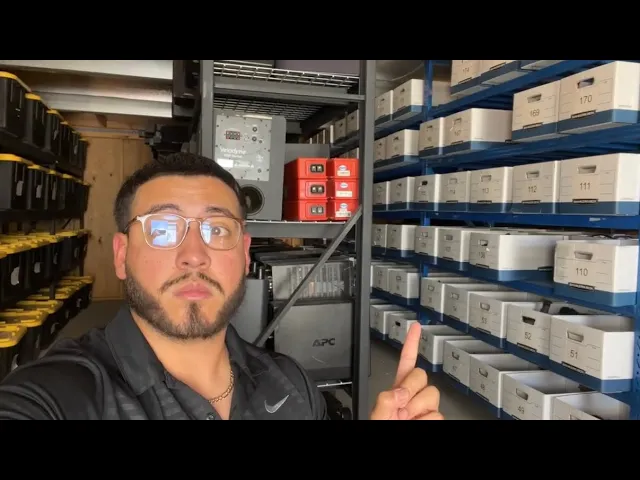
Finally, match your inventory to your storage capabilities. If you are operating out of a single bedroom or a small apartment, avoid bulky items like bicycles or furniture that clutter your workspace. Start with smaller, high-value items and only scale up to larger goods when you have secured a storage unit or warehouse. For more strategies on scaling your operation, check out our blog to master your logistics.
Key Takeaways
Local Advantage: Assess your local market's waste and abundance to choose a niche, such as selling electronics in tech-heavy California versus toys in other regions. [01:13]
Broad Sourcing: Start as an "everything seller" to learn the market before niching down, rather than limiting yourself to one category immediately. [01:56]
Balanced Inventory: Mix high-volume, lower-profit items (like shirts) with lower-volume, higher-profit items (like shoes) to stabilize your income. [02:44]
Expand Radius: If your local area has dried up, drive to the nearest major city once a week to source inventory in bulk rather than struggling locally. [04:21]
Storage Logic: Align your inventory choices with your living situation; avoid flipping large items like bikes if you live in a small apartment. [05:34]
Make sure to subscribe to David Pelayo’s channel on YouTube and follow him on Instagram.